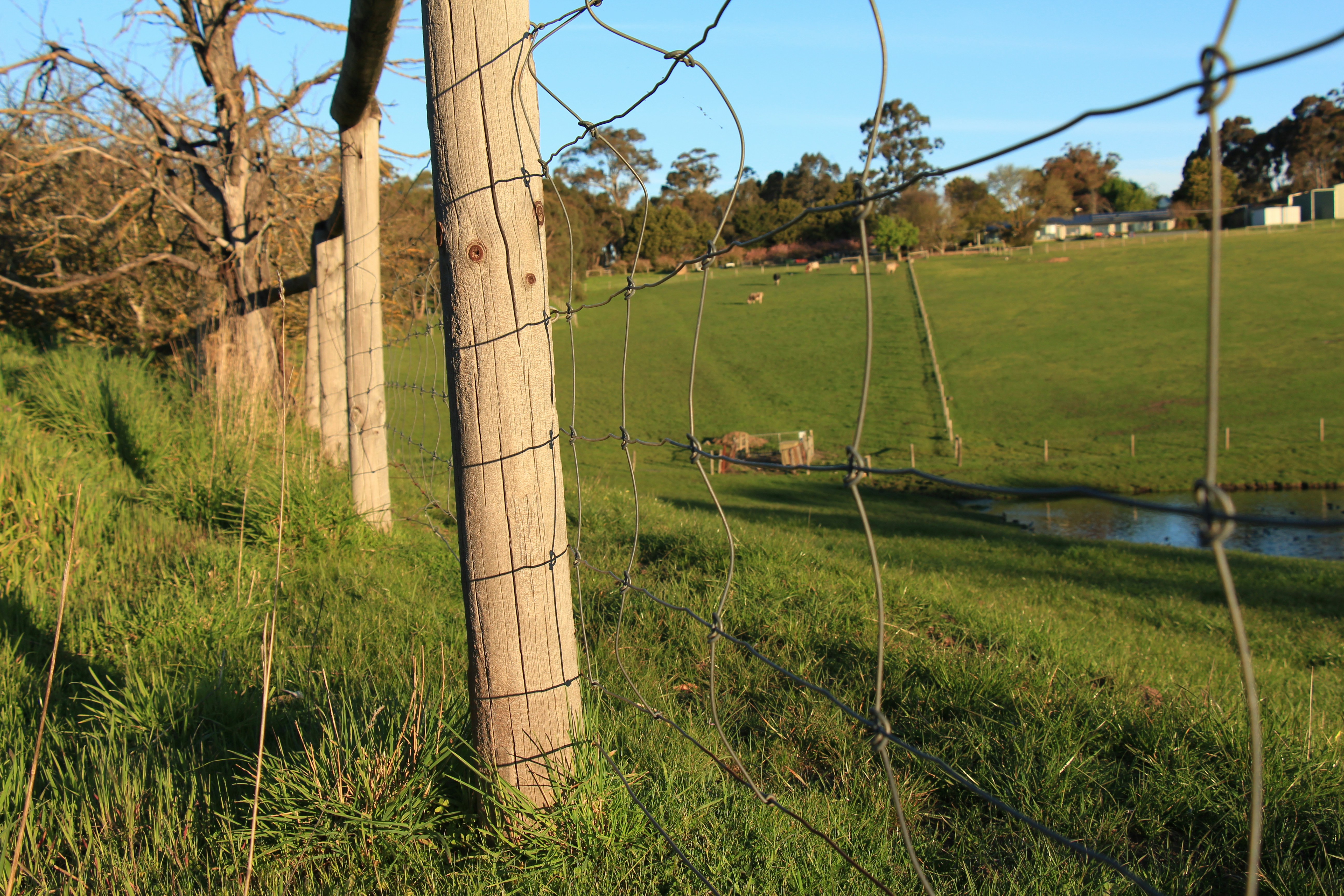
Fencing your land starts with your address.
From five-strand barbed wire along county roads to pipe working pens — we drive steel and stretch wire on any terrain.
Call the crew direct
(830) 555-0192
340+ ranchers served
18 yrs
In the field
1,200+
Miles of fence built
340+
Ranches served
4
Terrain types mastered
— Fence Profiles
The right wire for your land.
Every build starts with choosing the right fence for the animal, terrain, and budget.
Cross-section profile
5-Strand Barbed Wire
The county road standard.
$3 – $6
per linear foot installed
- Class 3 galvanized — 2.5× thicker zinc coating
- 4–5 feet tall, posts every 8–25 ft
- Handles large livestock on long runs
Acreage reference
1 acre ≈ 850–900 linear ft · 10 acres ≈ $2,640–$15,840 installed
Cross-section profile
No-Climb Woven Wire
Horses, predator control, hog exclusion.
$1.50 – $6
per linear foot installed
- High-tensile mesh — stays tight under pressure
- Minimum 5 ft tall for horses
- Stops squeeze-and-climb from predators and hogs
Cross-section profile
Pipe Rail & Corrals
Working pens that take the hits.
$13.50 – $40
per linear foot installed
- Oilfield drill-steel — survives wildfire, flood
- Virtually no maintenance after set
- Posts last 50+ years in-ground
Cross-section profile
Game Fence (High Fence)
Eight feet of exclusion.
$3.75 – $5.50
per linear foot installed
- Minimum 8 ft tall — stops deer from jumping
- Tight mesh blocks squeeze and climb
- Price varies by corners, soil, and gate count
— Terrain Knowledge
Hard ground has a solution.
We've built fence on every kind of Hill Country and South Texas terrain. Here's how we handle the hard ones.
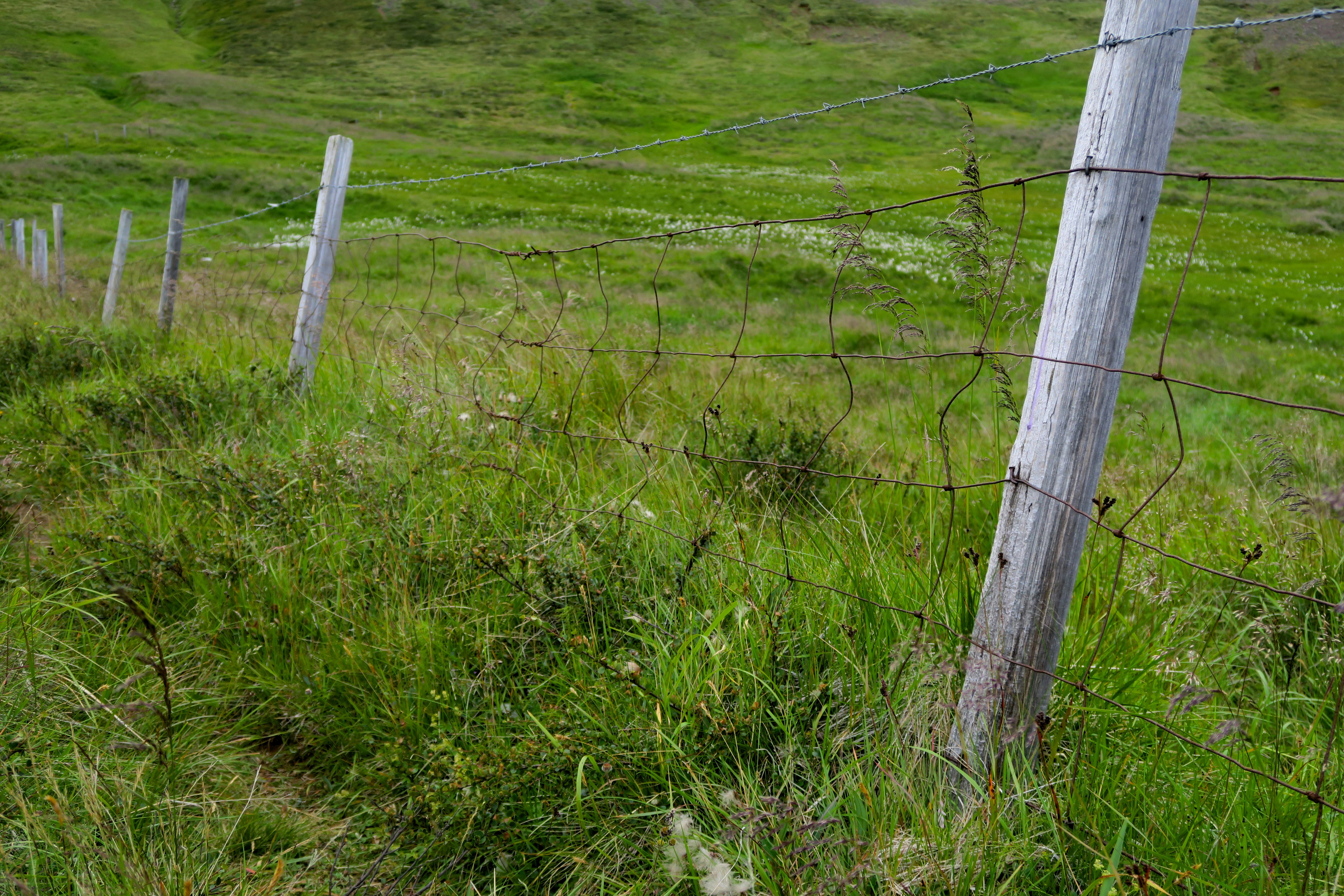
Rocky Soil
The problem
Standard post-hole diggers won't bite. Bedrock stops a wood post before it's deep enough to hold.
Our solution
We switch to steel T-posts driven past the shovel collar, and set rock basket braces — 3–4 ft diameter cages packed with surface stone — every time the terrain demands it.
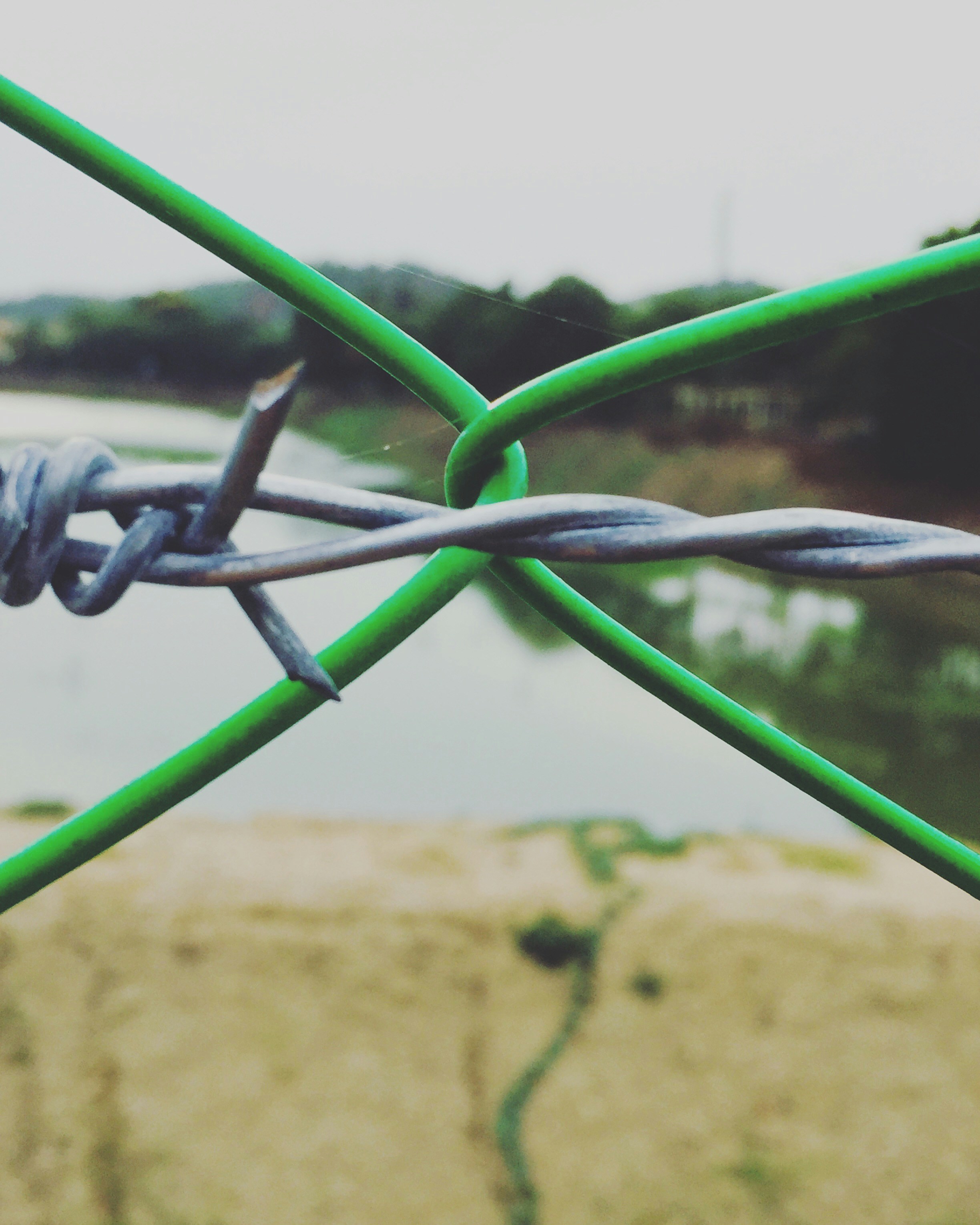
Creek Crossings
The problem
A fence line in the creek channel catches flood debris, builds pressure, and blows out the entire run.
Our solution
We read the high-water marks and start the water gap 10–12 ft back. The gap section floats up in flood, lets debris pass, then drops back in place — animals stay contained.
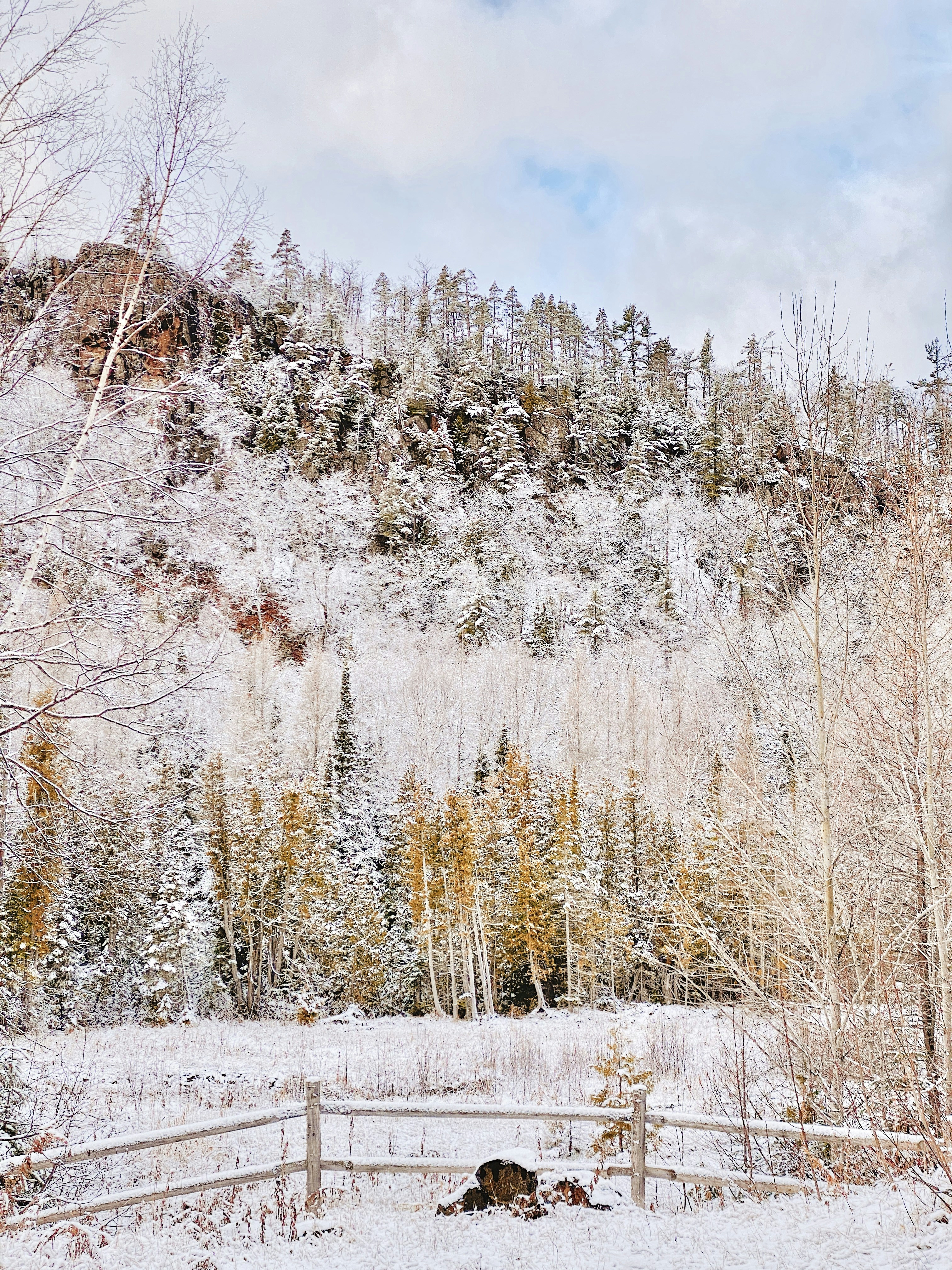
Steep Grade
The problem
Slopes over 30° wash soil from around posts, shift the line, and collapse tension over time.
Our solution
We step or rack the fence to follow grade, install H-brace assemblies every change in elevation, and use driven steel where wood won't hold. Expect 40–60% more labor on steep runs.
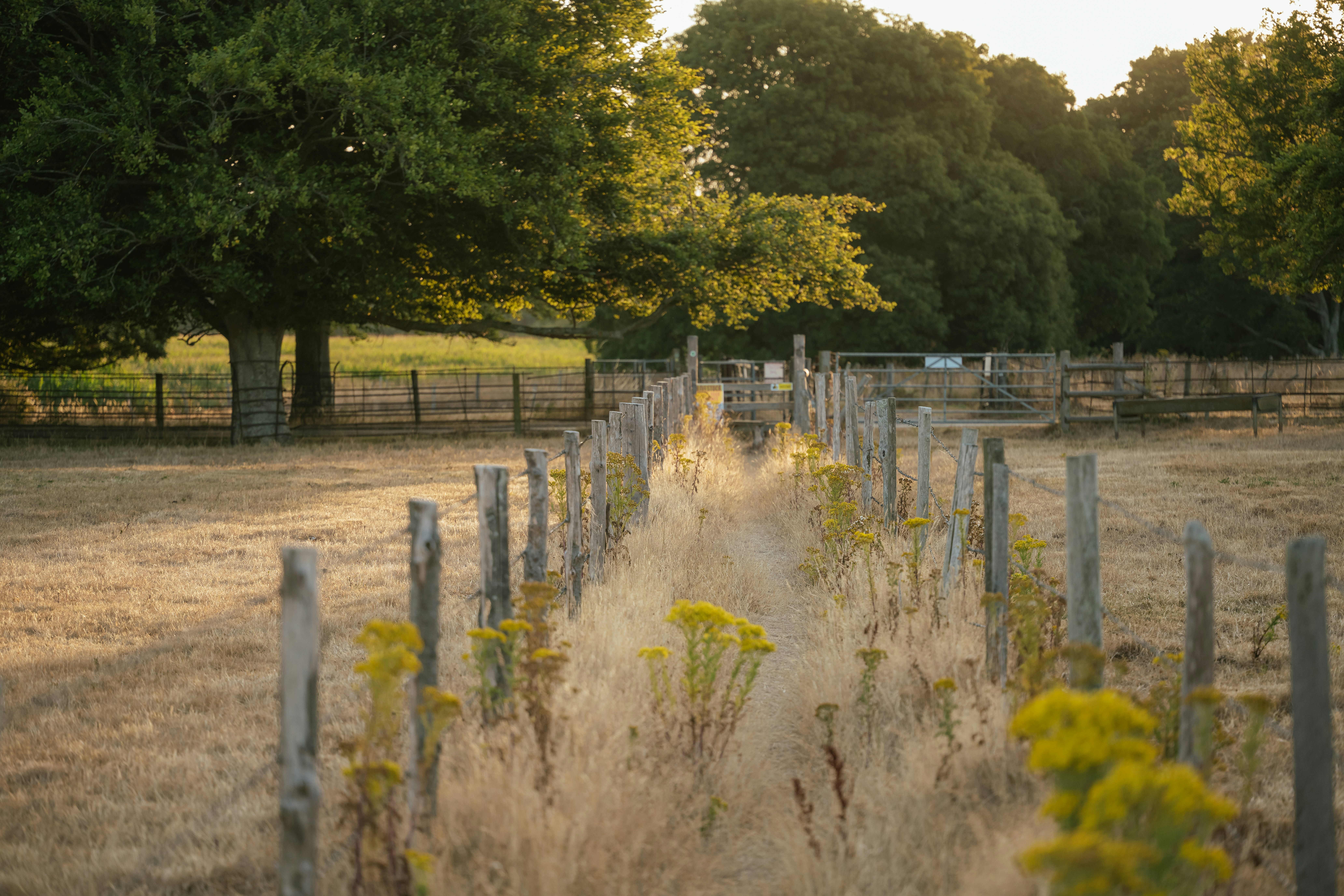
Heavy Brush & Cedar
The problem
Cedar, mesquite, and heavy brush sit right on the fence line. You can't stretch wire through a thicket.
Our solution
We clear the corridor before the first post goes in. Land clearing runs $1,300–$5,700 depending on density — we quote it as part of the fence bid so there are no surprises.
— The Build
Survey stakes to final gate hang.
Five steps. Every one done right before we move to the next.
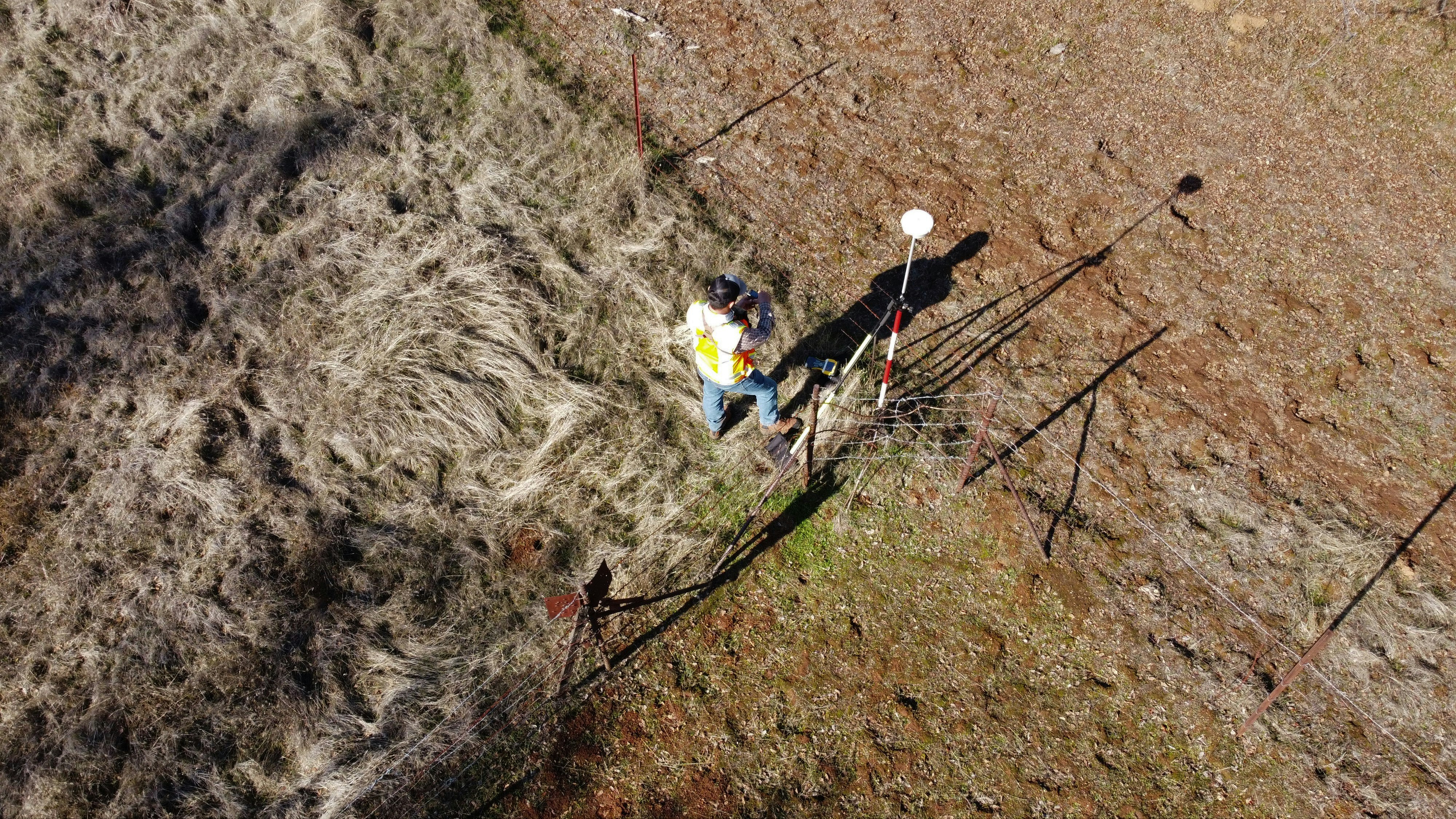
Survey Stakes
We walk the property line with you, mark corners, and identify every terrain challenge before a single post is ordered.
Corner count, creek crossings, rocky zones, brush corridors — all noted on a field sketch.
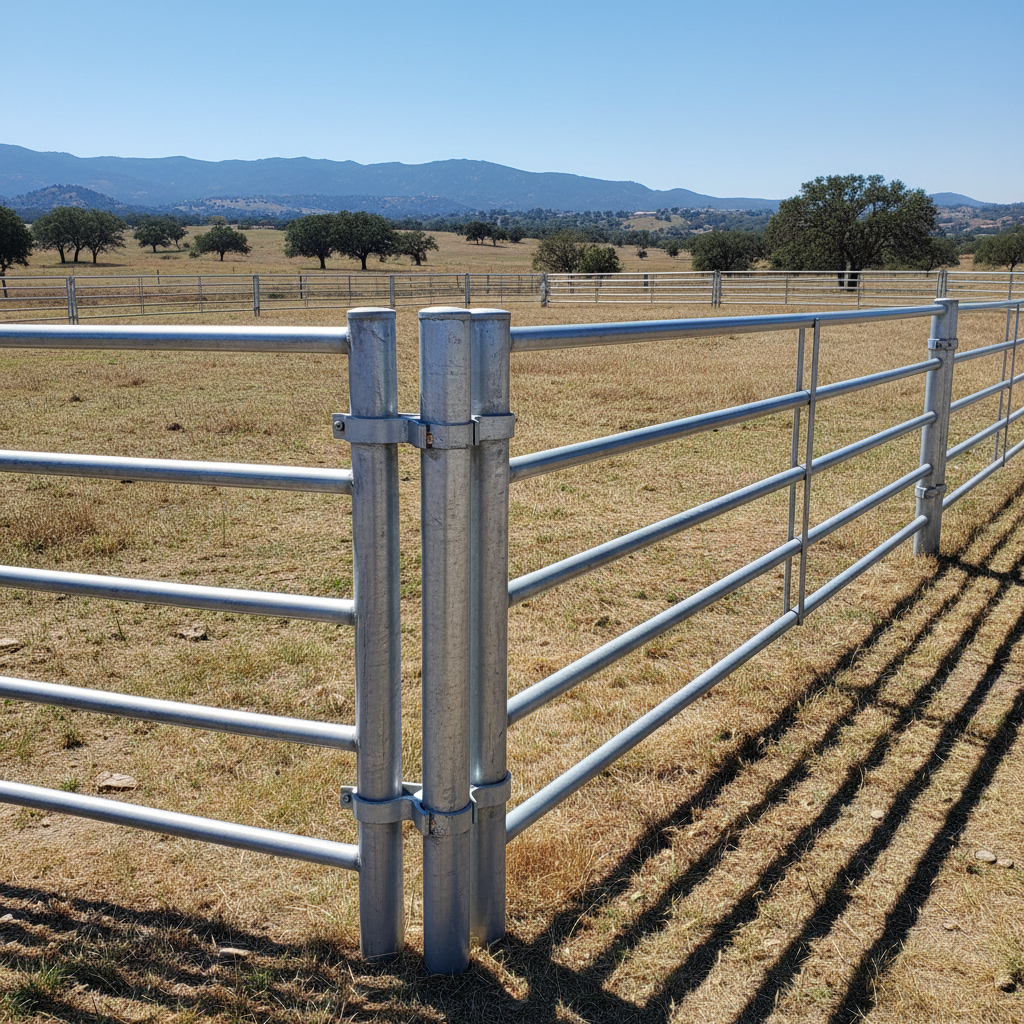
Corner & Brace Assembly
Every fence lives or dies at the corners. We set double-braced H-assemblies before any line posts go in.
Braces are set in concrete on standard ground, or rock-basket anchored in caliche and limestone.
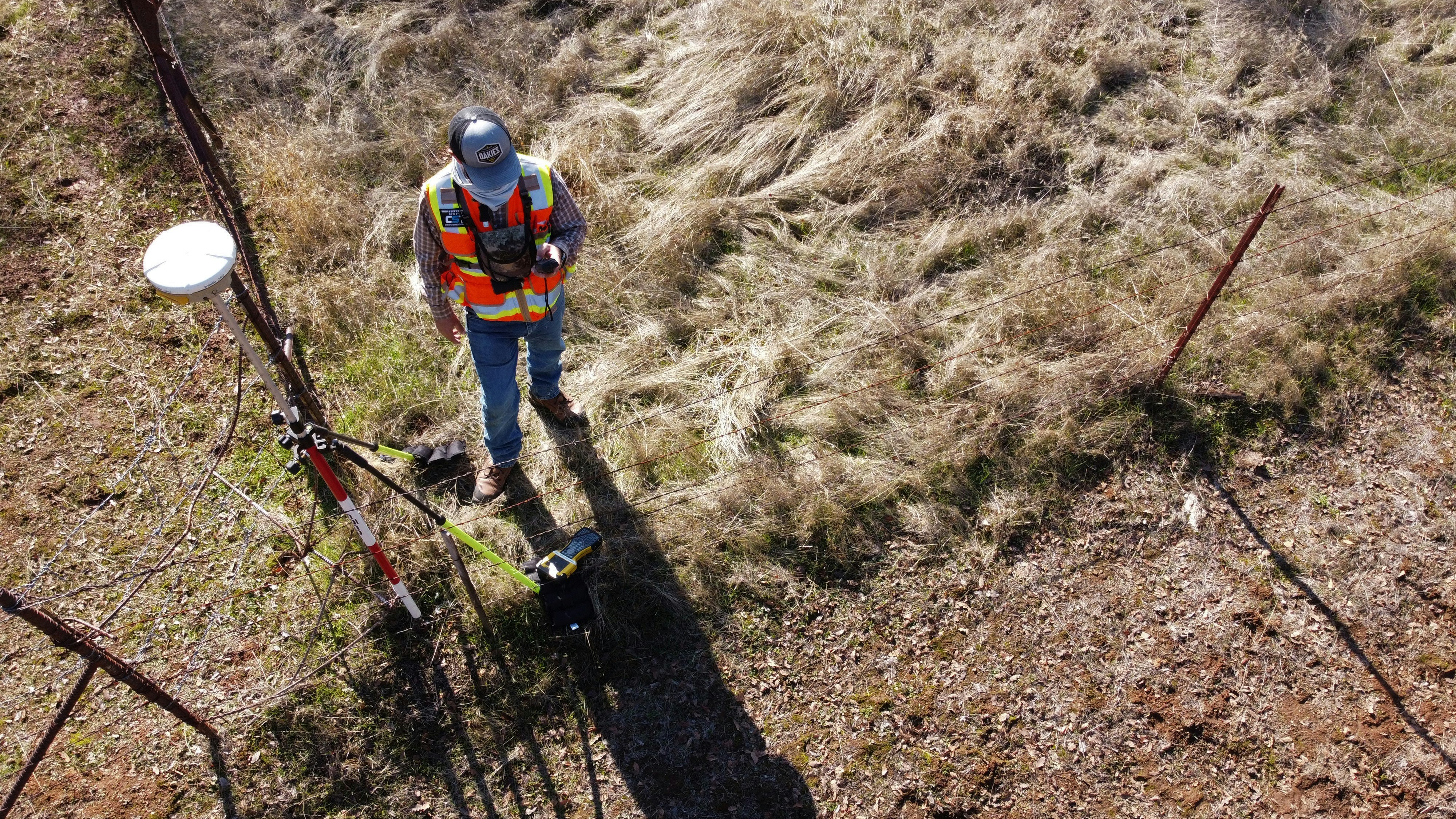
Post Setting
Hydraulic driver for steel posts on hard ground. Auger for wood corners in workable soil. Right tool for the terrain.
Post spacing 8–25 ft depending on fence type, grade, and load.
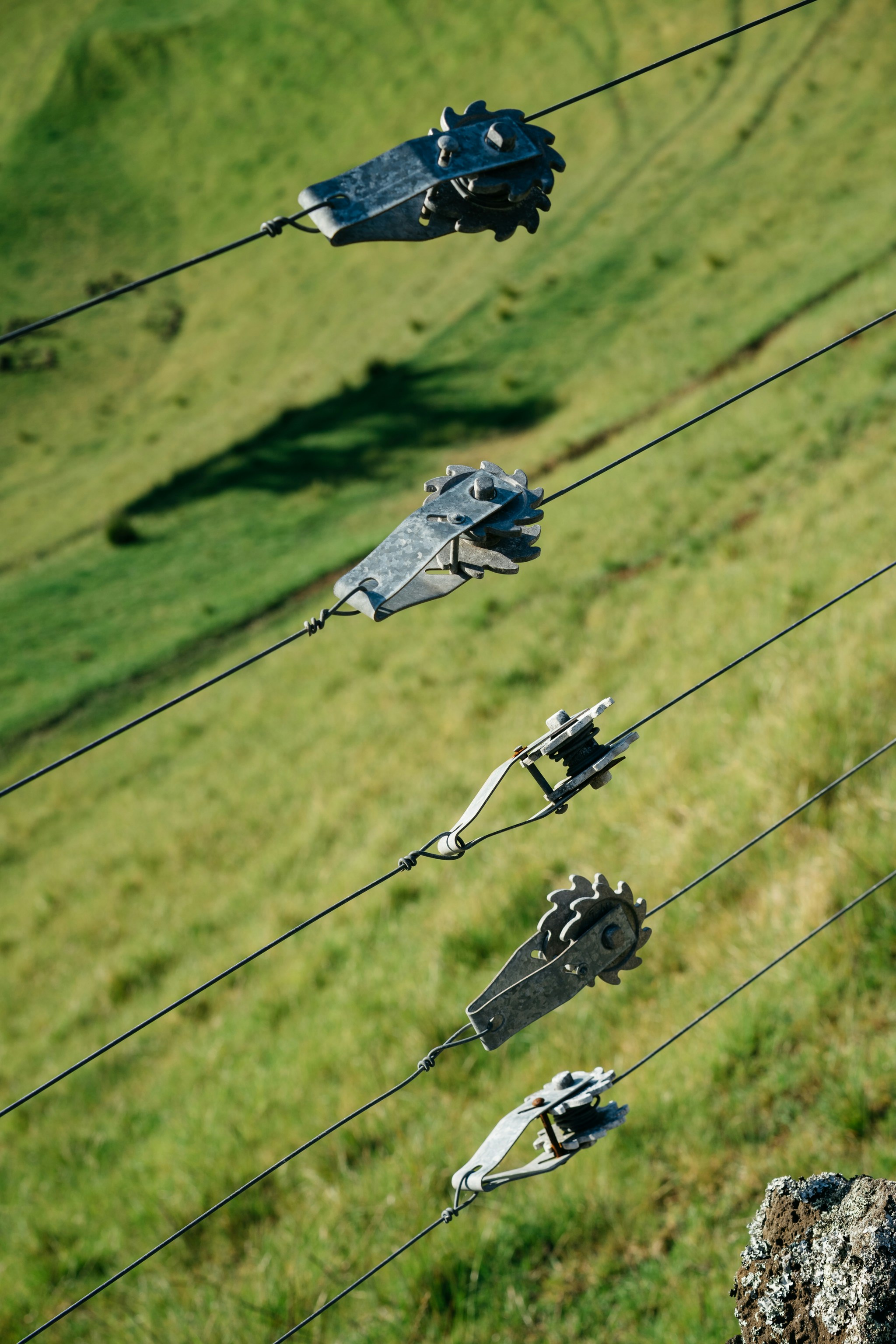
Wire Stretch & Tie
Wire goes on under tension — tight enough to hum when you tap it. Every strand tied off clean at each post.
Class 3 galvanized on all barbed wire runs. High-tensile on woven wire and game fence.
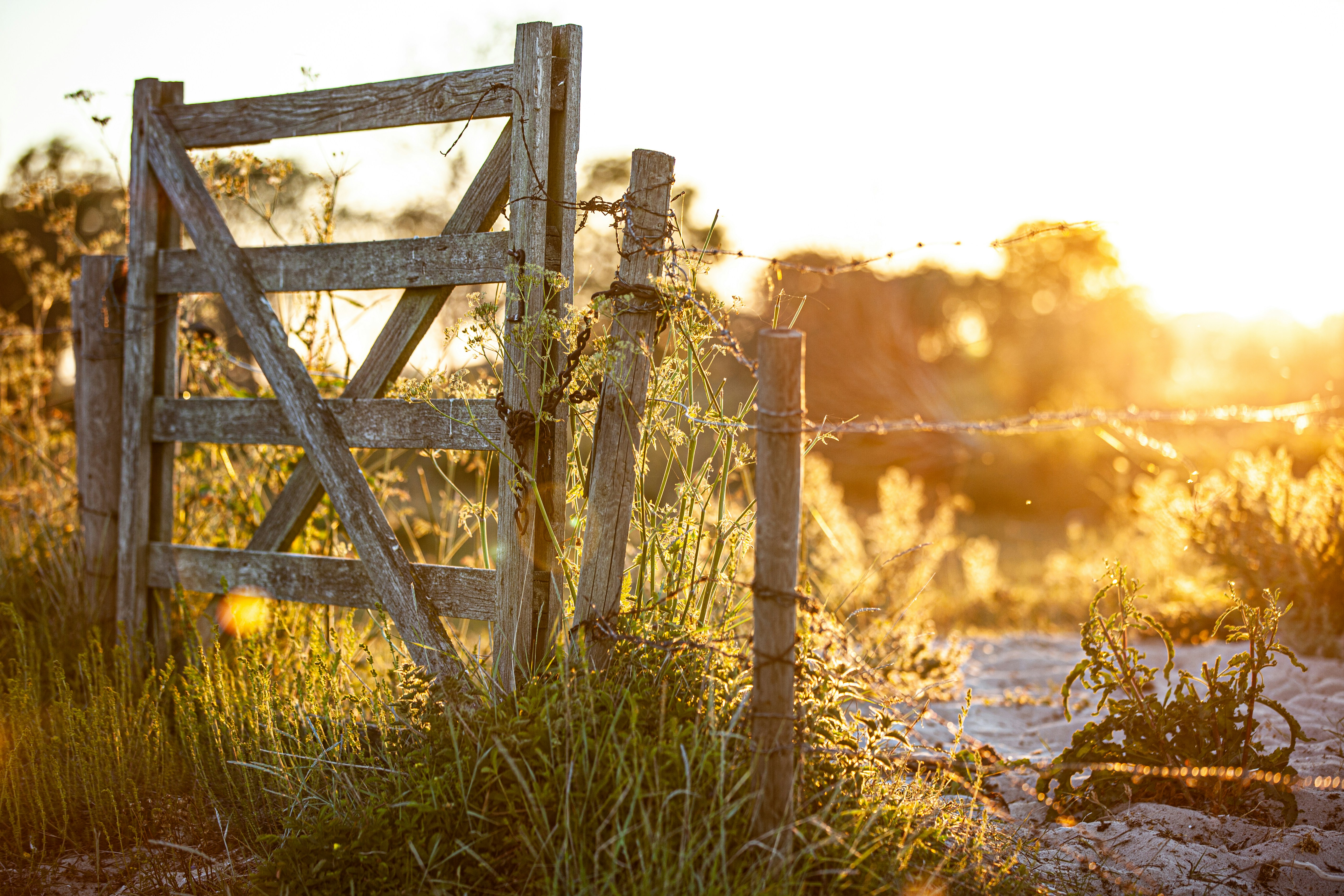
Gate Hang & Final Walk
Gates hung level, swinging clean on the first day and the fiftieth. Final walk of every section before we leave.
We don't call it done until every line is tight, every gate swings true, and every brace is solid.
— From the Field
They've seen the wire hold.
"Replaced 2,400 feet of rotted cedar corner posts before calving season. They read the creek right — water gap hasn't moved in two floods since."
Dale Harrington
Cattleman, Gillespie County
"Forty acres, all limestone. I didn't think we could get posts in at all. They drove steel and set rock baskets where wood wouldn't go. Solid line."
Melissa Ortega
Hobby Farm, Kerr County
"Working pens for 200 head. They quoted the brush clearing in the same bid so I knew the full number going in. Pipe fence is still perfect three years on."
Travis Boudreaux
Ranch Manager, Uvalde County
— Start Here
Get your fence estimate.
Tell us about your land and what you need to hold. We'll come back with a real number — material, labor, terrain, and any clearing included.
Property address
So we can pull aerial and check soil type before we call.
Linear footage estimate
Rough is fine — we'll help you get to the real number.
Fence type
Don't know yet? Tell us the animal and we'll recommend.
Intended use
Cattle, horses, hogs, game, or perimeter — each needs a different build.
Don't fill out forms?
Call the crew direct
(830) 555-0192